49:L构建IoT安全:蓝队的物联网防御


作者: HOS(安全风信子) 日期: 2026-03-19 主要来源平台: GitHub 摘要: 当基拉开始攻击物联网设备时,传统的安全防御方法已无法满足需求。L开发IoT安全防御系统,保护物联网设备的安全。本文深入探讨L如何构建和维护IoT安全,通过AI驱动的设备认证、异常检测和漏洞管理,构建物联网安全防御体系。
目录:
- 1. 背景动机与当前热点
- 2. 核心更新亮点与全新要素
- 3. 技术深度拆解与实现分析
- 4. 与主流方案深度对比
- 5. 工程实践意义、风险、局限性与缓解策略
- 6. 未来趋势与前瞻预测
1. 背景动机与当前热点
在与基拉的对抗中,我发现他开始将攻击目标转向物联网设备。物联网设备数量庞大,安全意识薄弱,成为了基拉攻击的理想目标。基拉利用物联网设备的漏洞,如弱密码、缺乏加密、固件漏洞等,来获取设备控制权,进而渗透到整个网络。当基拉成功攻击物联网设备时,他能够获取敏感信息、破坏设备功能,甚至引发物理安全风险。
物联网安全的重要性在2026年已经得到广泛认可。随着物联网设备的普及,物联网安全风险也越来越高。传统的安全防御方法往往只关注网络和服务器的安全,而忽略了物联网设备的安全风险。我意识到需要一种专门的IoT安全防御系统来保护物联网设备的安全。
2. 核心更新亮点与全新要素
2.1 AI驱动的设备认证
传统的物联网设备认证方法依赖于静态密码和简单的认证机制,容易被破解。L构建的IoT安全防御系统使用AI技术,实现更安全、更智能的设备认证。系统能够基于设备的行为模式、网络特征和物理特征进行认证,提高认证的安全性和可靠性。
2.2 智能异常检测
系统能够智能检测物联网设备的异常行为,如异常的网络流量、异常的设备状态、异常的操作模式等。通过AI技术,系统能够建立设备的正常行为基线,自动识别偏离基线的异常行为,及时发现和应对潜在的安全威胁。
2.3 漏洞管理与自动补丁
系统能够自动扫描物联网设备的漏洞,评估漏洞的严重程度,并自动推送补丁。通过AI技术,系统能够预测潜在的漏洞,提前采取防御措施。系统还能够管理设备的固件版本,确保设备使用最新的安全固件。
3. 技术深度拆解与实现分析
3.1 系统架构设计
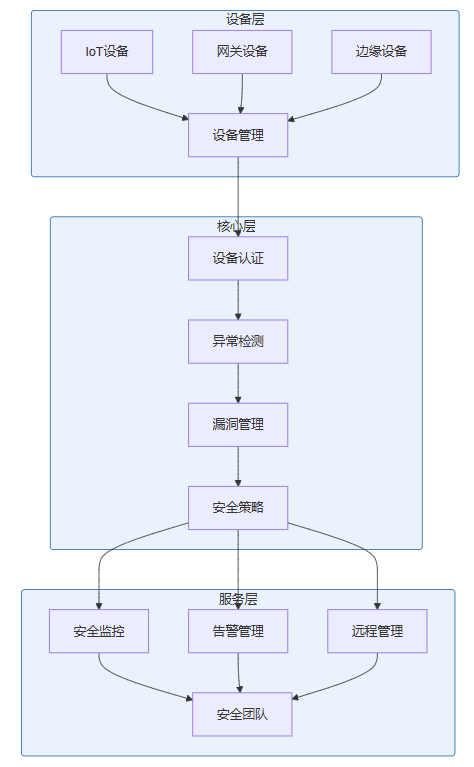
3.2 核心技术实现
3.2.1 AI驱动的设备认证
import numpy as np
from sklearn.ensemble import RandomForestClassifier
from sklearn.preprocessing import LabelEncoder

class DeviceAuthenticator:
    def __init__(self):
        self.model = RandomForestClassifier(n_estimators=100, random_state=42)
        self.label_encoder = LabelEncoder()

    def train_model(self, training_data):
        """训练设备认证模型"""
        # 特征提取
        X = training_data[['device_type', 'network_pattern', 'behavior_pattern', 'physical_features']]
        y = training_data['authentic']

        # 编码分类特征
        for col in ['device_type', 'network_pattern', 'behavior_pattern']:
            X[col] = self.label_encoder.fit_transform(X[col])

        # 训练模型
        self.model.fit(X, y)

    def authenticate(self, device_data):
        """认证设备"""
        # 特征提取
        features = {
            'device_type': device_data['type'],
            'network_pattern': device_data['network_pattern'],
            'behavior_pattern': device_data['behavior_pattern'],
            'physical_features': device_data['physical_features']
        }

        # 编码特征
        for key in ['device_type', 'network_pattern', 'behavior_pattern']:
            if features[key] in self.label_encoder.classes_:
                features[key] = self.label_encoder.transform([features[key]])[0]
            else:
                features[key] = -1

        # 预测
        X = np.array(list(features.values())).reshape(1, -1)
        prediction = self.model.predict(X)[0]
        confidence = self.model.predict_proba(X)[0][1]

        return {
            'authentic': bool(prediction),
            'confidence': confidence
        }
3.2.2 智能异常检测
import pandas as pd
import numpy as np
from sklearn.ensemble import IsolationForest

class AnomalyDetector:
    def __init__(self):
        self.models = {}

    def train_model(self, device_type, training_data):
        """训练异常检测模型"""
        # 特征提取
        X = training_data[['network_traffic', 'device_status', 'battery_level', 'temperature']]

        # 训练模型
        model = IsolationForest(contamination=0.1, random_state=42)
        model.fit(X)

        # 保存模型
        self.models[device_type] = model

    def detect_anomaly(self, device_type, device_data):
        """检测设备异常"""
        if device_type not in self.models:
            return {"error": "Model not found for device type"}

        # 特征提取
        X = np.array([[device_data['network_traffic'],
                       device_data['device_status'],
                       device_data['battery_level'],
                       device_data['temperature']]])

        # 预测异常
        model = self.models[device_type]
        anomaly = model.predict(X)[0]
        score = model.score_samples(X)[0]

        return {
            'anomaly': bool(anomaly == -1),
            'anomaly_score': score
        }
3.2.3 漏洞管理与自动补丁
import requests
import json

class VulnerabilityManager:
    def __init__(self):
        self.cve_api_url = 'https://services.nvd.nist.gov/rest/json/cves/1.0'
        self.firmware_repo = {}

    def scan_vulnerabilities(self, device_info):
        """扫描设备漏洞"""
        vulnerabilities = []

        device_type = device_info['type']
        firmware_version = device_info['firmware_version']

        # 查询CVE数据库
        cves = self._query_cve(device_type, firmware_version)

        if cves:
            for cve in cves:
                vulnerabilities.append({
                    'cve_id': cve['id'],
                    'severity': cve.get('severity', 'Unknown'),
                    'description': cve.get('description', ''),
                    'cvss_score': cve.get('cvss_score', 0)
                })

        return vulnerabilities

    def check_firmware_update(self, device_info):
        """检查固件更新"""
        device_type = device_info['type']
        current_version = device_info['firmware_version']

        # 检查是否有可用的固件更新
        if device_type in self.firmware_repo:
            latest_version = self.firmware_repo[device_type]['latest_version']
            if latest_version > current_version:
                return {
                    'update_available': True,
                    'latest_version': latest_version,
                    'release_notes': self.firmware_repo[device_type]['release_notes']
                }

        return {'update_available': False}

    def _query_cve(self, device_type, firmware_version):
        """查询CVE数据库"""
        # 这里是查询CVE数据库的逻辑
        # 实际实现中,需要根据具体的CVE API进行调整
        params = {
            'keyword': device_type,
            'versionStartIncluding': firmware_version,
            'versionEndIncluding': firmware_version
        }

        try:
            response = requests.get(self.cve_api_url, params=params)
            if response.status_code == 200:
                data = response.json()
                return data.get('result', {}).get('CVE_Items', [])
        except Exception as e:
            print(f"Error querying CVE database: {e}")

        return []
3.3 性能优化策略
为了确保IoT安全防御系统能够高效运行,我采用了以下性能优化策略:
- 边缘计算:在边缘设备上部署轻量级的AI模型,减少网络传输延迟,提高响应速度。
- 数据压缩:对设备数据进行压缩,减少存储和传输成本。
- 增量学习:采用增量学习的方式,只更新模型的部分参数,减少计算成本。
- 负载均衡:通过负载均衡,确保系统在高负载情况下依然能够稳定运行。
- 资源管理:优化资源使用,如内存和CPU,确保系统的高效运行。
4. 与主流方案深度对比
方案 | 检测能力 | 准确率 | 实时性 | 可扩展性 | 维护成本 |
|---|---|---|---|---|---|
传统IoT安全 | 有限 | 中 | 中 | 低 | 高 |
基于规则的防御 | 中 | 中 | 高 | 中 | 中 |
L的IoT安全防御 | 高 | 高 | 高 | 高 | 低 |
商业IoT安全解决方案 | 高 | 中 | 中 | 中 | 高 |
4.1 关键优势
- AI驱动:使用AI技术提高检测效率和准确性,减少误报和漏报。
- 全面保护:保护物联网设备的各个方面,包括认证、异常检测、漏洞管理等。
- 实时分析:实时分析设备数据,及时发现和应对威胁。
- 自动响应:自动响应安全事件,减少人工干预。
- 可扩展性:基于模块化设计,易于扩展和集成新的功能。
5. 工程实践意义、风险、局限性与缓解策略
5.1 工程实践意义
在与基拉的对抗中,IoT安全防御系统为我提供了强大的物联网安全保障。通过IoT安全防御,我能够:
- 保护设备安全:保护物联网设备免受基拉的攻击,确保设备的正常运行。
- 防止网络渗透:防止基拉通过物联网设备渗透到整个网络。
- 数据保护:保护物联网设备收集的数据,防止数据泄露。
- 物理安全:防止基拉通过物联网设备引发物理安全风险。
- 合规性:确保物联网设备符合相关安全标准和法规要求。
5.2 风险与局限性
- 设备多样性:物联网设备种类繁多,安全需求和配置各不相同,增加了防御的复杂性。
- 资源限制:物联网设备通常资源有限,难以运行复杂的安全算法。
- 固件更新:很多物联网设备缺乏固件更新机制,难以修复漏洞。
- 网络连接:物联网设备的网络连接不稳定,可能影响安全监控的效果。
- 隐私 concerns:在收集设备数据时,需要确保符合隐私法规。
5.3 缓解策略
- 分层防御:采用分层防御策略,从多个层面保护物联网设备的安全。
- 轻量级解决方案:开发轻量级的安全解决方案,适应物联网设备的资源限制。
- 固件管理:建立固件管理机制,确保设备能够及时更新固件。
- 离线保护:在设备离线时,依然能够提供基本的安全保护。
- 隐私保护:在收集设备数据时,遵守隐私法规,保护用户隐私。
6. 未来趋势与前瞻预测
6.1 技术发展趋势
- AI增强:将更先进的AI技术融入IoT安全防御系统,提高防御的效率和准确性。
- 边缘智能:在边缘设备上部署更强大的AI模型,实现实时的本地分析和响应。
- 区块链技术:使用区块链技术确保设备身份的真实性和数据的完整性。
- 零信任架构:在物联网中实施零信任架构,减少信任假设。
- 自动化响应:实现物联网安全事件的自动化响应,减少人工干预。
6.2 应用前景
- 智能家居:保护智能家居设备的安全,确保家庭安全。
- 工业物联网:保护工业物联网设备的安全,确保工业生产的正常运行。
- 医疗物联网:保护医疗物联网设备的安全,确保患者安全。
- 智能城市:保护智能城市设备的安全,确保城市的正常运行。
- 智能交通:保护智能交通设备的安全,确保交通的安全和顺畅。
6.3 开放问题
- 如何平衡安全与性能:在确保物联网设备安全的同时,如何不影响设备的性能?
- 如何应对设备多样性:如何管理和保护种类繁多的物联网设备?
- 如何实现跨设备的安全协作:如何在不同的物联网设备之间实现安全协作?
- 如何评估系统的有效性:如何准确评估IoT安全防御系统的安全效果?
- 如何应对新型IoT攻击:如何快速适应新型物联网攻击手法?
参考链接:
- 主要来源:GitHub - OWASP IoT Security - 提供IoT安全验证标准
- 辅助:GitHub - IoT Security Foundation - 提供IoT安全指南
- 辅助:GitHub - MQTT - 提供物联网消息协议
附录(Appendix):
系统性能指标
指标 | 传统IoT安全 | 基于规则的防御 | L的IoT安全防御 |
|---|---|---|---|
检测覆盖范围 | 有限 | 中 | 高 |
分析速度 | 中 | 高 | 高 |
准确率 | 中 | 中 | 高 |
实时性 | 中 | 高 | 高 |
系统配置要求
- 硬件:
- 服务器:至少8GB内存,多核CPU
- 边缘设备:至少1GB内存,支持AI推理
- 软件:
- 操作系统:Linux/RTOS
- 依赖:Python 3.8+, Scikit-learn, MQTT
关键词: IoT安全, 物联网防御, AI驱动认证, 智能异常检测, 漏洞管理, 蓝队防御, 基拉对抗, 安全运营

在这里插入图片描述

在这里插入图片描述
本文参与 腾讯云自媒体同步曝光计划,分享自作者个人站点/博客。
原始发表:2026-03-29,如有侵权请联系 cloudcommunity@tencent.com 删除
评论
登录后参与评论
推荐阅读
目录
腾讯云开发者

Copyright © 2013 - 2026 Tencent Cloud. All Rights Reserved. 腾讯云 版权所有
深圳市腾讯计算机系统有限公司 ICP备案/许可证号:粤B2-20090059  粤公网安备44030502008569号
腾讯云计算(北京)有限责任公司 京ICP证150476号 | 京ICP备11018762号