今天不聊技术,发两道题.为什么?年底了,做完可能有惊喜哦

今天不聊技术,发两道题.为什么?年底了,做完可能有惊喜哦

烟雨平生
发布于 2026-04-14 18:31:39
发布于 2026-04-14 18:31:39
生活就是一道道待解决的题,工作中的任务也是一道道待解决的题。
考查你能不能胜任这份工作,也是一道道题。
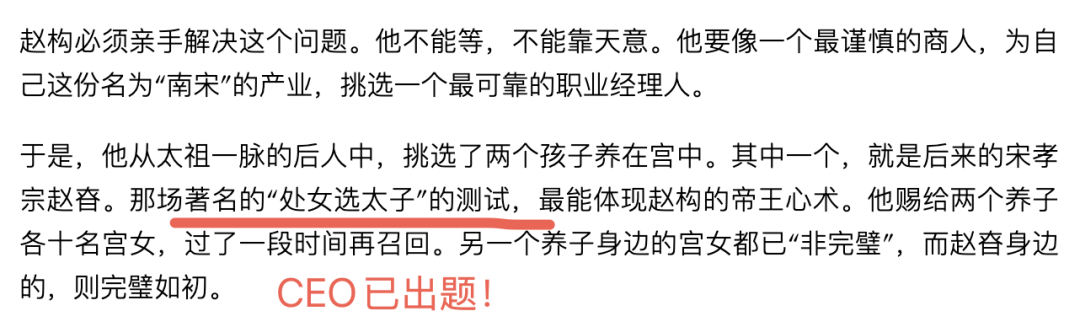
回到正题,题如下:
1、令牌桶。限流场景常见
设计并实现一个令牌桶。初始化时,需要初始化令牌桶的 最大容量和每秒生成令牌的数量。
通过tryAcquire(int tokens)来获取令牌,且支持并发调用。不能用额外的线程来维护令牌桶中的令牌数。
2、LRU缓存。Redis Key过期场景常见
设计并实现一个LRU缓存,要支持并发,不能使用ConcurrentHashMap、LinkedHashMap,get时,不存在则报错,put时插入或update,如果超过最大缓存容量,则把长时间不使用的key清除。
先想一下。
觉得有想法了
参考答案:
1、令牌桶。
思路:
1.1 只用一个操作入口get方法,那么可以使用CAS来增加并发数。
1.2 不能使用额外线程来维护Bucket中的token数,那这个判断和补token数的逻辑只能在get方法中。
import java.util.concurrent.atomic.AtomicReference;
/**
 * 题目1:令牌桶
 * 要求:初始化最大容量和每秒生成数量。
 * tryAcquire(int tokens) 支持并发,不使用额外线程维护。
 *
 * 改进:使用 CAS (AtomicReference) 替代 synchronized,实现无锁高并发。
 */
public class TokenBucket {
    private final long maxCapacity;
    private final double ratePerMillisecond;

    // 使用 AtomicReference 原子更新状态,避免锁竞争
    private final AtomicReference<BucketState> state;
    // 内部不可变状态类
    private static class BucketState {
        final double currentTokens;
        final long lastRefillTimestamp;
        BucketState(double currentTokens, long lastRefillTimestamp) {
            this.currentTokens = currentTokens;
            this.lastRefillTimestamp = lastRefillTimestamp;
        }
    }
    /**
     * @param maxCapacity 最大容量
     * @param tokensPerSecond 每秒生成的令牌数量
     */
    public TokenBucket(long maxCapacity, long tokensPerSecond) {
        if (maxCapacity <= 0 || tokensPerSecond <= 0) {
            throw new IllegalArgumentException("Capacity and rate must be positive");
        }
        this.maxCapacity = maxCapacity;
        // 将每秒的速率转换为每毫秒的速率
        this.ratePerMillisecond = (double) tokensPerSecond / 1000.0;

        // 初始化状态
        this.state = new AtomicReference<>(new BucketState(maxCapacity, System.currentTimeMillis()));
    }
    /**
     * 尝试获取令牌 (CAS 无锁实现)
     * @param tokens 需要获取的令牌数
     * @return 是否获取成功
     */
    public boolean tryAcquire(int tokens) {
        if (tokens <= 0) {
            return false;
        }
        while (true) {
            BucketState currentState = state.get();
            long now = System.currentTimeMillis();

            // 计算重填后的令牌数
            double newTokens = currentState.currentTokens;
            if (now > currentState.lastRefillTimestamp) {
                long timeElapsed = now - currentState.lastRefillTimestamp;
                double tokensToAdd = timeElapsed * ratePerMillisecond;
                newTokens = Math.min(maxCapacity, newTokens + tokensToAdd);
            } else {
                // 如果时间倒流或极短时间内调用,时间戳保持不变
                now = currentState.lastRefillTimestamp;
            }
            // 检查令牌是否足够
            if (newTokens < tokens) {
                return false;
            }
            // 构造新状态:扣减令牌,更新时间戳
            BucketState newState = new BucketState(newTokens - tokens, now);
            // CAS 更新,如果成功则返回 true,失败则循环重试
            if (state.compareAndSet(currentState, newState)) {
                return true;
            }
        }
    }

}
2、LRU缓存。
思路:并发通过ReentrantLock来实现get和put之间的同步操作,确保线程安全。
import java.util.HashMap;
import java.util.Map;
import java.util.concurrent.locks.ReentrantLock;
/**
 * 题目2:LRU缓存
 * 要求:支持并发,不能使用ConcurrentHashMap、LinkedHashmap。
 *
 * 实现:HashMap + 双向链表 + 全局锁 (ReentrantLock)
 * 这种实现简单清晰,完全满足线程安全要求。
 */
public class LRUCache<K, V> {

    // 双向链表节点
    private static class Node<K, V> {
        K key;
        V value;
        Node<K, V> prev;
        Node<K, V> next;
        Node(K key, V value) {
            this.key = key;
            this.value = value;
        }
    }
    private final int capacity;
    private final Map<K, Node<K, V>> map;

    // 伪头节点和伪尾节点,简化链表操作
    private final Node<K, V> head;
    private final Node<K, V> tail;

    // 全局锁,保证线程安全
    private final ReentrantLock lock = new ReentrantLock();
    public LRUCache(int capacity) {
        if (capacity <= 0) {
            throw new IllegalArgumentException("Capacity must be positive");
        }
        this.capacity = capacity;
        this.map = new HashMap<>(capacity);

        // 初始化双向链表
        this.head = new Node<>(null, null);
        this.tail = new Node<>(null, null);
        head.next = tail;
        tail.prev = head;
    }
    /**
     * 获取值
     * 1. 加锁
     * 2. 从 Map 获取节点
     * 3. 如果存在,移动到链表头部(表示最近使用)
     * 4. 解锁
     */
    public V get(K key) {
        lock.lock();
        try {
            Node<K, V> node = map.get(key);
            if (node == null) {
                throw new RuntimeException("Key not found: " + key);
            }
            moveToHead(node);
            return node.value;
        } finally {
            lock.unlock();
        }
    }
    /**
     * 插入或更新
     * 1. 加锁
     * 2. 检查 Key 是否存在
     * 3. 存在 -> 更新值,移动到头部
     * 4. 不存在 -> 创建新节点,加入 Map 和链表头部
     * 5. 检查容量 -> 超过则移除尾部节点(最近最少使用)
     * 6. 解锁
     */
    public void put(K key, V value) {
        lock.lock();
        try {
            Node<K, V> node = map.get(key);

            if (node != null) {
                // 更新值并移动到头部
                node.value = value;
                moveToHead(node);
            } else {
                // 新增节点
                Node<K, V> newNode = new Node<>(key, value);
                map.put(key, newNode);
                addToHead(newNode);
                // 超过容量,移除最近最少使用(尾部的前一个)
                if (map.size() > capacity) {
                    removeLRU();
                }
            }
        } finally {
            lock.unlock();
        }
    }

    // --- 链表辅助方法 (必须在锁内调用) ---
    private void moveToHead(Node<K, V> node) {
        removeNode(node);
        addToHead(node);
    }
    // 插入到头节点之后
    private void addToHead(Node<K, V> node) {
        node.prev = head;
        node.next = head.next;
        head.next.prev = node;
        head.next = node;
    }
    // 从链表中移除节点
    private void removeNode(Node<K, V> node) {
        node.prev.next = node.next;
        node.next.prev = node.prev;
    }
    // 移除最近最少使用的节点(Tail 的前一个)
    private void removeLRU() {
        Node<K, V> lruNode = tail.prev;
        if (lruNode != head) {
            removeNode(lruNode);
            map.remove(lruNode.key);
        }
    }

}
本文参与 腾讯云自媒体同步曝光计划,分享自微信公众号。
原始发表:2025-12-26,如有侵权请联系 cloudcommunity@tencent.com 删除
目录
腾讯云开发者

Copyright © 2013 - 2026 Tencent Cloud. All Rights Reserved. 腾讯云 版权所有
深圳市腾讯计算机系统有限公司 ICP备案/许可证号:粤B2-20090059  粤公网安备44030502008569号
腾讯云计算(北京)有限责任公司 京ICP证150476号 | 京ICP备11018762号