
Gmail是怎么做到的?
我正在开发类似于banatag的服务。在新特性开发过程中,我发现了Gmail无法解释的行为(正如我所认为的)。
我试着用图片来解释我的问题:
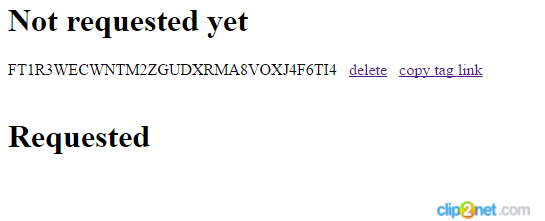
- 创建标记(我将请求的图像)。现在没人要求
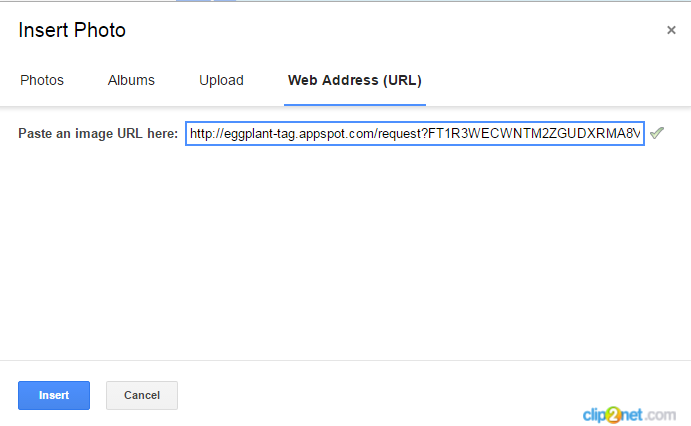
- 通过URL将其添加到电子邮件中。图像http://eggplant-tag.appspot.com/request?FT1R3WECWNTM2ZGUDXRMA8VOXJ4F6TI4网址
- 有两个来自页面的新AJAX请求,,但没有到我的域

- 找我的服务。有来自IP的请求,有Google用户代理。
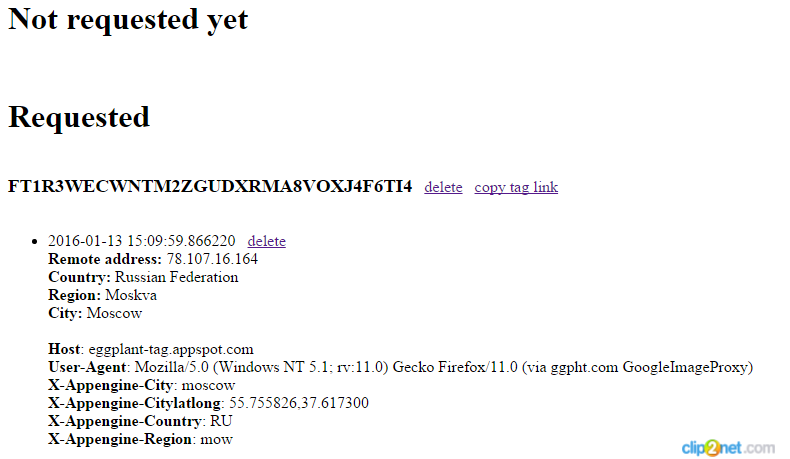
什么要求这个图像(标签)?我认为有两种可能性:
- 页面向我的服务发出AJAX请求,这就是我看到IP的原因。但是在这种情况下,为什么我不能在开发者控制台的Network中看到这个请求呢?
- 谷歌图像代理服务请求我的服务,但为什么在这种情况下有我的IP请求?
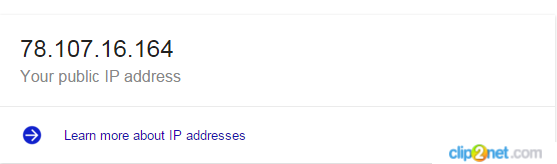
我的IP:
UPD添加了处理请求到图像(标记)的部分类:
...
request.remoteAddress = str(self.request.remote_addr)# save remote address
request.put()
...
self.response.write(simpleImageData) #write to body binary data of 1x1 transparent image
self.response.headers[ 'Content-Type' ] = 'image/png'
self.response.headers[ 'Cache-Control' ] = 'no-cache, no-store, must-revalidate'
self.response.headers[ 'Pragma' ] = 'no-cache'
self.response.headers[ 'Expires' ] = '0'
UPD 2
我使用wireshark找到了对我的服务的请求,但是没有任何请求。这就是为什么主要的问题是Google用户内容如何模拟我的IP地址?
回答 2
Stack Overflow用户
发布于 2016-01-27 20:01:21
我把我的应用程序部署在我的笔记本上,然后我尝试重复我的行为。
结果证实了我的猜测,Google代理和app一起工作,当Google代理服务器请求我的应用程序时,我看到了我的IP。
在我的实验中,我看到了谷歌代理的IP。
Stack Overflow用户
发布于 2016-01-13 18:50:01
Google的工作原理在网络上得到了彻底的分析,例如在https://litmus.com/blog/gmail-adds-image-caching-what-you-need-to-know和https://blog.filippo.io/how-the-new-gmail-image-proxy-works-and-what-this-means-for-you/上-- googleusercontent站点是GIP使用的缓存/cdn(除其他外)。
Google的唯一相关之处可能在于您如何配置您的app.yaml (您没有向我们展示),也就是说,该图像作为一个静态文件,或者通过应用程序代码中的逻辑--如果后者,您的代码在处理图像时是否有任何日志调用。从你所显示的有限的数据来看,我猜前者(因此该文件继续存在,并由Google的静态文件服务器提供服务,而不是在你自己的应用程序代码旁边),这将消除任何谜团.
https://stackoverflow.com/questions/34770630
复制相似问题
腾讯云开发者

Copyright © 2013 - 2026 Tencent Cloud. All Rights Reserved. 腾讯云 版权所有
深圳市腾讯计算机系统有限公司 ICP备案/许可证号:粤B2-20090059  粤公网安备44030502008569号
腾讯云计算(北京)有限责任公司 京ICP证150476号 | 京ICP备11018762号